
A Smarter Approach to Fall Workouts and Year-End Fitness Goals
Port Moody, Canada - November 13, 2026 / Breakthrough Local /
Why Fall Is the Perfect Time to Build a Stronger Fitness Routine
Every year, the transition from summer to fall offers a chance to build healthier routines. Vacations wind down, daily schedules become more predictable, and many people find themselves motivated to return to regular exercise.
Yet as autumn progresses, that initial enthusiasm often fades. Shorter days, colder weather, and an increasingly busy holiday calendar can make maintaining fitness commitments more challenging than expected.
The difference between a successful fall fitness routine and one that disappears before December often comes down to preparation.
A recent fitness blog exploring the benefits of a 12-week training roadmap highlights an important principle: meaningful progress requires more than motivation. It depends on setting achievable goals, following a structured progression, and developing habits that can withstand changes in daily life.
For individuals looking to improve strength, increase endurance, or simply become more consistent with exercise, the final months of the year offer an ideal opportunity to put those principles into practice.
Rather than waiting for January resolutions, a thoughtfully planned fall fitness program can build momentum that carries into the new year.
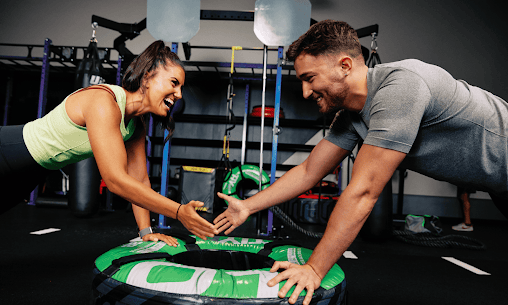
The Real Challenge of Fall Fitness Is Maintaining Momentum
Starting a new workout routine often brings excitement. New goals provide direction, and early improvements can reinforce the decision to prioritize physical activity.
Maintaining that enthusiasm over several months is where the real challenge begins.
Across British Columbia's Lower Mainland, fall brings shorter daylight hours and increasingly wet weather. These seasonal changes can disrupt established exercise habits, particularly for people who relied heavily on outdoor activities during the summer.
As the holiday season approaches, professional responsibilities, family gatherings, and social events add another layer of complexity.
Without a clear strategy, workouts can gradually become less frequent until the routine disappears altogether.
Why Consistency Matters More Than Perfect Workouts
One of the most common misconceptions about fitness improvement is that every training session needs to deliver exceptional results.
In reality, long-term progress comes from repeated effort over time.
Someone who completes three manageable workouts each week will generally build a more dependable fitness foundation than someone who alternates between intense training periods and extended breaks.
Consistency also gives the body time to adapt gradually to exercise.
Regular strength training improves muscular strength, coordination, and physical capacity. These adaptations develop through progressive challenges supported by sufficient recovery.
Creating a realistic weekly schedule is therefore one of the most valuable steps toward achieving lasting fitness results.
Think in 12-Week Commitments Instead of Year-Long Resolutions
Large fitness goals can feel overwhelming when you view them as a year-long commitment.
A shorter training cycle makes progress easier to manage by creating a defined beginning, middle, and endpoint.
Twelve weeks is particularly useful because it gives enough time to build consistent exercise habits and work toward measurable improvements without making the goal feel too distant.
The key is dividing that period into manageable stages.
Instead of approaching every workout with the same intensity, individuals can gradually increase their training demands while monitoring how their bodies respond.
The First Four Weeks: Make Exercise Part of Everyday Life
During the opening month, the priority should be developing a sustainable routine.
For someone returning to exercise after an extended break, that may mean going to the gym two or three times per week and focusing on basic movements.
Exercises such as squats, rows, presses, and hip hinges can form the foundation of an effective full-body strength program.
The goal isn't to lift the heaviest possible weight or do exhausting workouts. Instead, this stage emphasizes proper technique, movement confidence, and establishing consistent training habits.
Group fitness classes can also provide an accessible way to introduce variety into a weekly schedule. Instructor-led sessions offer structure and can make exercise feel more engaging for individuals who prefer training alongside others.
By the end of the first month, exercise should begin to feel like a regular appointment rather than an optional activity.
Weeks Five Through Eight: Build on Early Progress
Once the routine feels more familiar, you can shift your focus to improving physical performance.
This is where progressive overload becomes important.
Progressive overload involves gradually increasing exercise demands as the body adapts. For strength training, that might mean adding resistance, performing additional repetitions, or increasing the number of working sets.
For example, someone who initially performs three sets of eight repetitions with a comfortable weight may eventually increase the resistance while maintaining controlled technique.
Small, deliberate improvements can accumulate over several weeks.
However, increasing training intensity also increases recovery demands.
Adequate sleep, hydration, balanced nutrition, and rest days all contribute to the body's ability to adapt.
A well-equipped training environment can help support this progression. Access to free weights, strength equipment, and Olympic lifting platforms lets individuals build their programs as their strength and confidence grow.
Recovery amenities, including massage chairs and compression equipment, can offer additional relaxation opportunities following demanding workouts.
The objective during this middle phase is to challenge the body without sacrificing consistency or proper technique.
The Final Four Weeks: Measure Progress and Prepare for What Comes Next
By the ninth week, individuals should have a clearer understanding of their current abilities and the progress they have made.
The final phase provides an opportunity to work toward established performance targets.
Some participants may focus on increasing strength in particular exercises. Others may evaluate improvements in endurance, workout frequency, or overall physical confidence.
Not every goal needs to involve lifting heavier weights.
Completing twelve consecutive weeks of regular exercise can represent a significant achievement for someone who previously struggled with consistency.
As the program nears its end, scheduling a lighter training week can also help.
Often called a deload, this period involves temporarily reducing training intensity or volume to help manage accumulated fatigue.
It creates an opportunity to recover, assess progress, and establish priorities for the next training cycle.
Build Fitness Goals Around Real Life, Not an Ideal Schedule
An effective fitness plan should fit into everyday responsibilities rather than compete with them.
This becomes especially important during the fall when work schedules, school activities, and holiday commitments can change frequently.
Someone with a demanding professional schedule may find three weekly workouts more realistic than five. Another individual may prefer shorter sessions before work or a combination of strength training and weekend fitness classes.
Neither approach is inherently better.
The most effective routine is one you can follow consistently while providing an appropriate level of physical challenge.
Create Goals That Can Be Measured
General ambitions such as improving fitness or getting stronger can motivate you, but they don't offer clear benchmarks for measuring progress.
Specific goals make planning easier.
Examples might include increasing the weight used during a particular strength exercise, attending twelve fitness classes over six weeks, or consistently completing three weekly workouts.
These targets create opportunities to celebrate smaller accomplishments throughout the program.
They also make it easier to identify when a training approach needs adjustment.
Prepare for Disruptions Before They Happen
The holiday season does not need to bring fitness progress to a halt.
Instead of expecting every week to follow the same schedule, individuals can set up alternative workout options for particularly busy periods.
A shorter full-body session may replace a longer workout. Two weekly strength sessions may temporarily take the place of three.
Maintaining some level of activity helps preserve established habits, even when the usual schedule becomes difficult to follow.
The same principle applies when an unexpected illness, travel commitment, or family responsibility interrupts a training week.
Missing a workout does not erase previous progress. Following a brief interruption, training can resume at a manageable intensity based on how the individual feels and the length of the break.
Flexibility makes the difference between a routine that survives real-life challenges and one that disappears when circumstances change.
Recovery Deserves a Place in Every Training Plan
For many fitness enthusiasts, progress is measured primarily by the amount of work completed in the gym.
However, training is only one part of the equation.
Physical improvements occur as the body adapts to exercise, and that process depends on sufficient recovery.
As training demands increase, muscles and connective tissues need adequate time to respond.
Consistently ignoring fatigue can undermine performance and make continued training more difficult.
Recognizing When to Adjust Training Intensity
Persistent soreness, declining workout performance, and unusual fatigue can indicate that a training program needs modification.
In some cases, an extra rest day or reduced training volume may be appropriate.
Beginners should be especially mindful not to increase exercise demands too rapidly.
Starting with moderate resistance and progressing gradually allows movement technique and physical capacity to develop together.
Recovery-focused amenities can complement these habits.
Human Touch massage chairs and Normatec compression equipment, for example, provide opportunities for post-workout relaxation. While these options may improve comfort, view them as additions to, not replacements for, appropriate rest and recovery practices.
Building recovery into a training schedule can help make regular exercise more sustainable throughout the year.
Personal Training Can Turn Good Intentions Into an Actionable Plan
A structured workout schedule becomes more effective when it reflects an individual's current fitness level, abilities, and objectives.
Personal training can help bridge the gap between having a goal and understanding how to achieve it.
A qualified trainer can evaluate existing movement patterns, recommend appropriate exercises, and develop a progression suited to the participant's experience.
Professional guidance may be particularly valuable for beginners who feel uncertain about exercise selection or proper technique.
Experienced gym members can also benefit from coaching when working toward specific strength or performance targets.
As the training cycle progresses, a personal trainer can help decide when to increase resistance, adjust training volume, or modify exercises to support recovery.
Small group training offers another option for individuals who appreciate professional instruction combined with a more social workout environment.
Ultimately, a training plan should provide direction while staying flexible enough to accommodate changes in ability, motivation, and availability.
Finishing the Year Strong Starts With a Sustainable Routine
The most valuable outcome of a fall fitness program is not necessarily a dramatic physical transformation.
It's developing a training routine that can continue beyond a single season.
Individuals who establish realistic goals, maintain consistent workouts, and prioritize recovery are better positioned to sustain their progress when January arrives.
Instead of starting the new year from scratch, they can build on the habits and improvements established in the previous months.
For Port Moody residents, Suter Brook Fitness World provides a convenient fitness club for building that consistency.
Located in Suter Brook Village near Inlet Centre SkyTrain Station, the club is accessible to residents of surrounding neighbourhoods and commuters travelling through the area. Its proximity to Newport Village, Rocky Point Park, and the Port Moody Public Library also makes it convenient to combine workouts with everyday activities.
The facility offers Olympic lifting platforms, group fitness classes, small group training, and personal training opportunities to accommodate a range of experience levels and fitness goals.
Members can also access recovery amenities such as Human Touch massage chairs and Normatec compression equipment. Additional conveniences, including lockers, showers, child minding services, and complimentary 90-minute parking, can help make regular gym visits easier to incorporate into busy schedules.
Whether the objective is building strength, improving consistency, or establishing healthier habits before the new year, Suter Brook Fitness World offers the training resources and supportive environment to help members pursue their goals.
A stronger fitness foundation begins with a realistic plan, consistent effort, and the decision to start today instead of waiting for another New Year's resolution.


Contact Information:
Fitness World - Suter Brook
220 Brew Street
Port Moody, BC V3H 0H6
Canada
General Manager
+1 604-492-4879
https://www.fitnessworld.ca/locations/suter-brook/


Original Source: https://fitnessworld.ca/blog/
